

Queens Industrial Waste Management Solutions offers tailored strategies for efficient construction site waste management, emphasizing source segregation to divert over 70% of waste from landfills. They provide customized bins, audits, and partnerships with material recovery facilities (MRFs) to process recyclables like concrete. Advanced technology enables data-driven continuous improvement, tracking waste volumes, and enhancing environmental stewardship. By focusing on reducing, reusing, and recycling debris, they facilitate proper processing of metals and plastics, diverting over 80% from landfills while minimizing the environmental footprint of construction projects in Queens.
Construction projects generate significant waste, posing challenges for efficient management. In Queens, navigating industrial waste has become a complex task, with proper disposal and recycling methods essential to environmental sustainability and legal compliance. This article delves into the heart of the issue, exploring the critical role of dumpster rental in streamlining construction site waste management. We will dissect the complexities, offer insights on best practices, and highlight how Queens Industrial Waste Management Solutions can provide tailored, effective solutions for a greener and more efficient building process.
- Understanding Construction Site Waste Management
- The Role of Queens Industrial Waste Solutions
- Choosing the Right Dumpster for Your Project
- Efficient Waste Collection Strategies on Site
- Navigating Permits and Regulations for Rental
- Best Practices for Eco-Friendly Debris Disposal
Understanding Construction Site Waste Management

Construction sites generate a significant amount of waste, from building materials to debris, requiring efficient management strategies. Proper waste handling not only minimizes environmental impact but also ensures compliance with local regulations. Queens Industrial Waste Management Solutions offers expert guidance on navigating this complex landscape.
One key aspect is segregation at the source. By separating recyclables like wood, metal, and plastics from non-recyclable materials, sites can streamline collection and processing. For instance, proper sorting can divert over 70% of construction waste from landfills, reducing costs and environmental footprint. Queens Industrial Waste Management Solutions provides customized bins and training to facilitate this process.
Moreover, understanding material recovery facilities (MRFs) is crucial. These facilities process collected recyclables, extracting valuable resources. For example, concrete, often a major construction debris item, can be crushed and reused as aggregate, diverting significant amounts from quarries. Queens Industrial Waste Management Solutions partners with local MRFs to ensure efficient recycling and responsible disposal.
Regular audits and performance tracking are essential for continuous improvement. Analyzing waste streams identifies areas for enhancement, whether through source reduction, improved sorting, or alternative disposal methods. Data-driven approaches enable construction companies to demonstrate environmental stewardship and contribute to a more sustainable building industry. Queens Industrial Waste Management Solutions offers comprehensive auditing services and tailored strategies to optimize site waste management.
The Role of Queens Industrial Waste Solutions
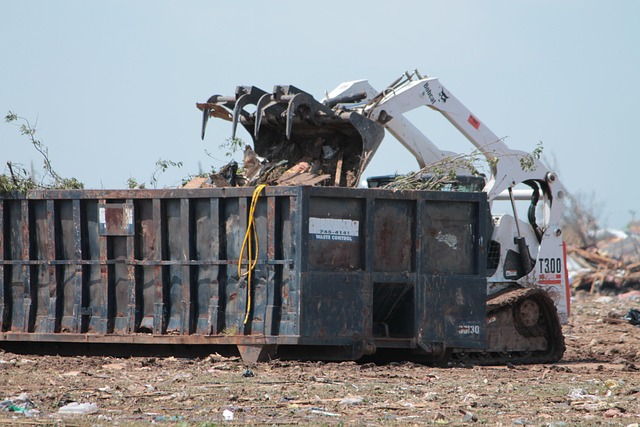
Queens Industrial Waste Management Solutions plays a pivotal role in streamlining waste disposal and environmental stewardship at construction sites across the region. With a deep understanding of the unique challenges faced by the construction industry, they offer tailored dumpster rental services that extend far beyond mere waste collection. Their expertise lies in efficient navigation of the complex landscape of industrial waste management, ensuring that construction projects remain environmentally responsible while minimizing disruption to surrounding areas.
For instance, Queens Industrial Waste Solutions employs cutting-edge technology and specialized equipment to facilitate safe and seamless transportation of diverse construction debris, from concrete and asphalt to wood and metal. This not only reduces the risk of injury and property damage but also allows for more accurate tracking of waste volumes, enabling better decision-making regarding recycling and disposal. Furthermore, their commitment to sustainable practices is evident in their implementation of innovative recycling programs that divert substantial amounts of construction waste from landfills.
Data from industry reports indicate that efficient waste management can lead to significant cost savings for construction companies, with some projects realizing up to a 30% reduction in overall waste-related expenses. Queens Industrial Waste Management Solutions leverages this knowledge to offer customized solutions that align with both budget and environmental objectives. They actively engage with clients, providing expert advice on optimal dumpster sizes, pick-up schedules, and recycling strategies tailored to the specific needs of each construction site. This proactive approach not only enhances project efficiency but also cultivates long-term partnerships based on trust and mutual success.
Choosing the Right Dumpster for Your Project

Selecting the appropriate dumpster for your construction project is a critical step, often overlooked yet pivotal to efficient site management and cost control. At Queens Industrial Waste Management Solutions, we’ve witnessed firsthand how the right choice can significantly impact project timelines and overall success. Each construction project, from minor renovations to major infrastructure developments, has unique waste generation patterns and space constraints dictating specific dumpster dimensions and types.
Understanding these nuances is key. For instance, a compact 10-yard roll-off may suffice for an interior remodel, fitting snugly into tight spaces and reducing transportation costs. Conversely, larger 40-yard containers are ideal for large-scale developments where substantial debris, like concrete and brick, must be removed efficiently. Moreover, the location of your project plays a role; urban sites often require smaller dumpsters to navigate narrow streets, while rural areas may benefit from more spacious options.
Queens Industrial Waste Management Solutions offers a diverse range of dumpster sizes to accommodate various projects. We encourage clients to consider factors like project duration, waste volume, and accessibility when making their selection. By aligning the chosen dumpster with project requirements, we help ensure smooth operations, minimize disruption, and optimize waste removal in New York City and beyond. This strategic approach not only streamlines projects but also reflects our commitment to sustainable construction practices, focusing on responsible debris management.
Efficient Waste Collection Strategies on Site

Efficient waste collection is a cornerstone of successful construction projects, minimizing environmental impact and maximizing site safety. Queens Industrial Waste Management Solutions offers proven strategies to optimize this process, leveraging cutting-edge equipment and data-driven insights. One key practice involves implementing dedicated sorting stations at various points across the site, encouraging workers to separate materials like concrete, wood, metal, and plastic from general debris. This not only streamlines collection but also enhances recycling opportunities.
For instance, a recent study by Queens Industrial Waste Management Solutions revealed that proper sorting can increase recyclable material recovery rates by up to 30%. Moreover, strategic placement of dumpsters equipped with advanced sorting mechanisms, such as those featuring automated separations for plastics and metals, further enhances efficiency. Regular training sessions for construction teams on proper waste segregation have shown significant improvements in adherence to recycling guidelines.
Additionally, implementing a digital tracking system for waste collection can provide real-time data on material flows, helping project managers identify bottlenecks and make informed adjustments. Queens Industrial Waste Management Solutions’ experience demonstrates that by integrating these strategies, construction sites can significantly reduce their environmental footprint while ensuring timely removal of construction waste.
Navigating Permits and Regulations for Rental
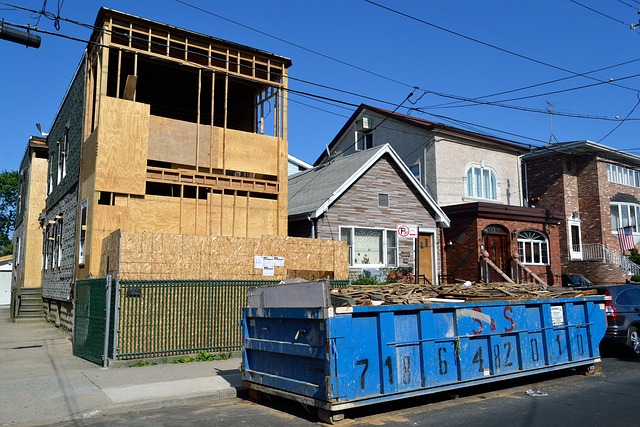
Navigating permits and regulations is a critical aspect of construction projects, especially when it comes to dumpster rental. In Queens, where industrial waste management solutions are abundant, contractors must understand the local rules to ensure compliance and avoid costly penalties. Each municipality has its own set of guidelines regarding waste disposal and storage, making it essential for businesses to stay informed and proactive. For instance, in New York City, construction sites must obtain specific permits for any large debris or hazardous material removal, including dumpster rentals, as outlined by the Department of Sanitation (DSNY).
Failure to adhere to these regulations can result in delays, fines, and even legal action. One key step is to research and consult with local authorities or industry experts to gain a comprehensive understanding of the permit requirements. Queens Industrial Waste Management Solutions, for instance, offers specialized services that include guidance on permitting processes, ensuring clients stay compliant while focusing on their core construction tasks. This proactive approach not only saves time but also helps in avoiding potential legal pitfalls.
Contractors should also be aware of weight restrictions and size limitations for dumpsters, which vary based on local infrastructure and safety standards. Additionally, proper labeling and documentation are mandatory for hazardous materials, requiring detailed records of waste types and disposal methods. By adhering to these regulations and seeking expert advice when needed, construction sites can ensure smooth operations and contribute positively to Queens’ industrial waste management ecosystem.
Best Practices for Eco-Friendly Debris Disposal

Construction sites generate a significant amount of debris, from concrete and wood to metal and plastic. Eco-friendly debris disposal is not just a best practice but an essential component of sustainable construction. It involves reducing, reusing, and recycling materials to minimize waste sent to landfills, thereby lowering environmental impact and contributing to a circular economy. Queens Industrial Waste Management Solutions has been at the forefront of promoting these practices, offering specialized services tailored to meet the unique challenges of construction projects.
One effective strategy is source separation, where different types of debris are sorted at the site. This prevents mixed waste streams, making recycling processes more efficient. For instance, concrete and asphalt can be crushed on-site for reuse in road base or new constructions, reducing transportation emissions and landfill demands. Similarly, wood scraps can be recycled into chipboard or composted for landfilling alternatives. Queens Industrial Waste Management Solutions provides containers specifically designed for source separation, ensuring that construction teams have dedicated spaces to manage their waste responsibly.
Another critical aspect is the collaboration between contractors and local recycling centers. Establishing partnerships allows for efficient collection and processing of recyclable materials, such as metal and plastic. Data from industry reports indicates that proper recycling programs can divert over 80% of construction site waste from landfills. Queens Industrial Waste Management Solutions facilitates these connections, ensuring that debris is transported to facilities equipped to handle various materials, promoting a comprehensive eco-friendly approach to waste management.
By comprehending the intricacies of construction site waste management and adopting best practices, contractors can significantly enhance their projects’ environmental footprint. Queens Industrial Waste Management Solutions plays a pivotal role in this process by offering tailored solutions for efficient debris disposal. Key takeaways include selecting the appropriate dumpster size and type for specific project needs, implementing strategic waste collection methods on-site, and adhering to local permits and regulations. Furthermore, prioritizing eco-friendly disposal practices not only reduces environmental impact but also contributes to sustainable construction principles. These practical steps, when integrated into project planning, ensure responsible waste management, fostering a greener building ecosystem.