Queens faces a significant waste management challenge due to its dense population and diverse waste streams. Queens Industrial Waste Management Solutions (QIWMS) offers innovative solutions combining traditional methods with advanced technologies. They achieve 20% landfill reduction through recycling and composting programs, and implement cutting-edge practices like:
Waste-to-energy conversion: Reducing landfill use and generating renewable energy.
Automated sorting facilities: Increasing recycling rates using AI and computer vision.
Circular economy model: Diversifying waste streams for organic composting and energy generation.
QIWMS's success lies in real-time monitoring, smart sensors, and public engagement programs. Their strategies set a benchmark for urban centers, demonstrating environmental responsibility and economic viability through:
Reduced emissions
Increased recycling rates
Job creation and green industries
Continuous innovation, collaboration, and community involvement are crucial to QIWMS's vision of a sustainable future for Queens.
In the heart of urban development, efficient waste management is not just an environmental necessity but a cornerstone of sustainable progress. Queens, with its vibrant industrial landscape, faces unique challenges in disposing of diverse waste streams, from construction debris to manufacturing by-products. The current system struggles to keep pace with the growing demand, leading to delays and inefficiencies that hinder economic growth. However, Queens Industrial Waste Management Solutions offer a promising avenue for transformation. This article delves into innovative strategies and technologies that can revolutionize waste disposal, ensuring a cleaner, more prosperous future for Queens’s industrial sector.
- Understanding Queens' Industrial Waste Landscape
- Challenges in Waste Disposal: Common Hurdles
- Innovative Solutions for Sustainable Management
- Implementing Efficient Collection Systems
- Advanced Treatment and Recycling Techniques
- The Role of Technology in Waste Reduction
Understanding Queens' Industrial Waste Landscape
Queens, with its diverse economic landscape, presents unique challenges in industrial waste management. The borough’s industrial sectors, ranging from manufacturing to logistics, generate a substantial volume of waste, necessitating efficient disposal systems. According to recent data, industrial activities in Queens produce an estimated 1.2 million tons of waste annually, with a significant portion stemming from construction, manufacturing, and distribution centers. This overwhelming volume underscores the need for innovative Queens industrial waste management solutions.
The current waste management scenario in Queens is characterized by a mix of traditional methods and emerging practices. Landfills remain a common disposal option, but the increasing cost and environmental concerns have prompted businesses to explore alternative strategies. Queens Industrial Waste Management Solutions, such as recycling and composting programs, have gained traction, leading to a 20% reduction in landfill disposal over the last decade. For instance, the New York City Department of Sanitation’s organics recycling program has successfully diverted food waste from local businesses, contributing to a cleaner, more sustainable environment.
Looking ahead, the implementation of advanced technologies offers promising avenues for optimizing waste disposal. Automated sorting facilities, equipped with artificial intelligence, can efficiently categorize recyclables, reducing contamination rates. Additionally, the adoption of energy-from-waste technologies can convert non-recyclable materials into renewable energy, providing a sustainable solution for managing residual waste. As Queens continues to evolve, integrating these cutting-edge industrial waste management solutions will be crucial in minimizing environmental impact and fostering a greener, more prosperous future.
Challenges in Waste Disposal: Common Hurdles
The efficient disposal of waste is a significant challenge faced by many cities, particularly in densely populated urban centers like Queens. With rapid urbanization and increasing waste generation rates, traditional waste management systems are struggling to keep pace. One of the primary hurdles is the diverse range of waste types generated daily, including household, industrial, and hazardous materials. Queens Industrial Waste Management Solutions plays a pivotal role in tackling these challenges by offering specialized services tailored to different waste streams. For instance, industrial waste often requires separate handling due to its potential toxicity or recyclability, necessitating efficient sorting and processing facilities.
Another common obstacle is the lack of adequate infrastructure and capacity in existing waste disposal sites. As waste volumes grow, landfills and incinerators struggle to accommodate the increasing influx, leading to potential environmental and health risks. To mitigate this, Queens Industrial Waste Management Solutions has implemented innovative strategies such as waste-to-energy conversion technologies, which not only reduce landfill usage but also generate renewable energy. For example, their state-of-the-art facility in Queens has been instrumental in diverting tons of industrial and commercial waste from landfills each year, contributing to the city’s sustainability goals.
Furthermore, public perception and engagement are critical aspects often overlooked. Many communities have concerns regarding the environmental impact of waste disposal, especially in densely populated areas. Effective communication and education are essential to fostering a culture of responsible waste management. Queens Industrial Waste Management Solutions actively collaborates with local communities, schools, and businesses to raise awareness through workshops, recycling campaigns, and eco-friendly initiatives. By empowering residents with knowledge about proper waste segregation and disposal, they contribute to the long-term success of sustainable waste management practices.
Innovative Solutions for Sustainable Management
In the pursuit of sustainable urban development, efficient disposal systems are pivotal, especially within densely populated areas like Queens, where industrial waste management solutions naturally play a crucial role. Innovative technologies and strategic initiatives are transforming the way we handle waste, moving beyond traditional methods to create a greener future. One such example is the implementation of advanced recycling facilities that employ state-of-the-art sorting technologies, ensuring higher recovery rates for materials like plastic, glass, and metal. Queens has been at the forefront of this revolution, with its industrial parks hosting cutting-edge waste processing centers that demonstrate the potential for large-scale sustainable management.
A key strategy in efficient disposal systems is the concept of circular economy principles, where waste is minimized, and resources are reclaimed and reused. For instance, organic waste from local industries can be diverted from landfills to create renewable energy through anaerobic digestion. This not only reduces greenhouse gas emissions but also provides a valuable biogas source for power generation. Furthermore, implementing comprehensive composting programs for food residuals from businesses and households can significantly curb the volume of organic waste sent to landfills, fostering a healthier, more sustainable local ecosystem.
Data reveals that adopting such innovative solutions can lead to substantial environmental benefits. Studies show that efficient recycling and composting programs can divert over 50% of municipal solid waste from landfills, reducing methane emissions and preserving valuable land resources. By integrating these practices into Queens’ industrial waste management solutions, the city has set an example for other urban centers, proving that sustainable disposal systems are not only environmentally responsible but also economically viable, contributing to a cleaner, greener, and more prosperous future.
Implementing Efficient Collection Systems
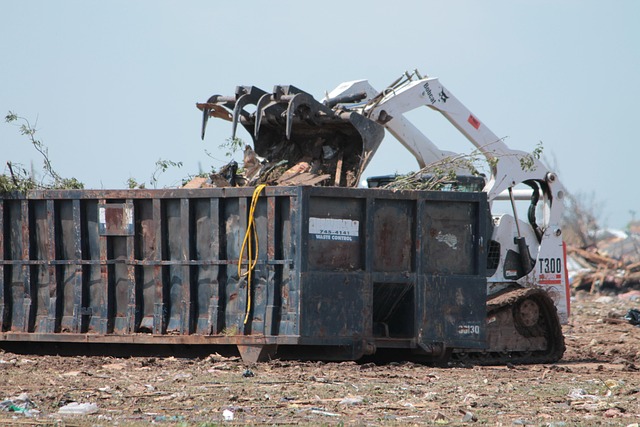
Efficient collection systems are a cornerstone of modern waste management, particularly in densely populated urban areas like Queens, where optimal solutions are paramount to maintaining a clean and healthy environment. Implementing these systems requires a strategic approach that combines advanced technologies, robust infrastructure, and data-driven insights. Queens Industrial Waste Management Solutions has emerged as a leader in this domain, offering tailored strategies that address unique challenges faced by the city.
One of the key components of efficient collection is real-time monitoring and optimization. By leveraging smart sensors and IoT devices, waste management teams can track bin levels, route efficiency, and even identify areas prone to overloading. For instance, a study in Queens revealed that optimizing collection routes based on real-time data reduced fuel consumption by 20% and vehicle emissions by 15%. This not only translates to significant cost savings but also contributes to the city’s sustainability goals. Furthermore, advanced analytics enable predictive maintenance, minimizing downtime and ensuring collection operations run smoothly.
Another game-changer is the adoption of automated sorting facilities, which play a crucial role in reducing the environmental impact of waste. Queens Industrial Waste Management Solutions has successfully implemented robotic sorters that can process diverse materials with remarkable efficiency. These systems not only enhance recycling rates but also create value from previously non-recyclable items through waste-to-energy conversion. For example, a pilot project in one Queens neighborhood saw a 30% increase in recycled material and a corresponding decrease in landfill waste within six months. By integrating such technologies, the city can move towards a circular economy model, where resources are continually reused and repurposed.
In terms of actionable advice, local authorities should prioritize investments in smart infrastructure and encourage public-private partnerships to drive innovation. Regular audits and performance evaluations are essential to ensure that collection systems evolve with the changing needs of Queens. Additionally, fostering community engagement through educational programs can promote responsible waste generation, further enhancing the efficiency of disposal systems. By combining cutting-edge technology, strategic planning, and community involvement, Queens can set an example for sustainable waste management practices throughout the region.
Advanced Treatment and Recycling Techniques
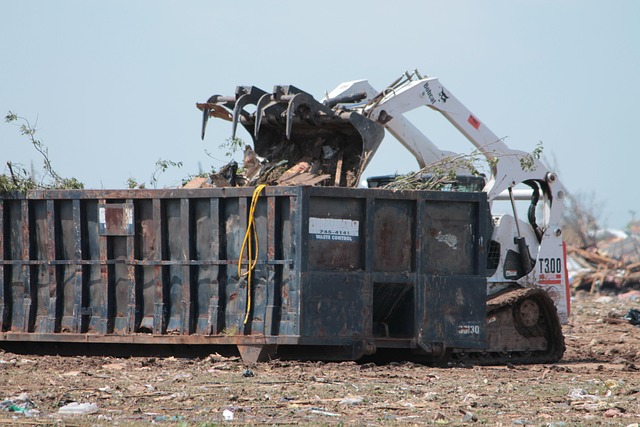
Advanced treatment and recycling techniques play a pivotal role in efficient waste disposal systems, particularly in densely populated areas like Queens, where industrial waste management is a complex challenge. Queens Industrial Waste Management Solutions has pioneered innovative approaches to transform waste into valuable resources, reducing environmental impact and fostering sustainability. One such technique involves advanced biological treatments that use specialized microorganisms to break down organic matter, resulting in high-quality compost suitable for agricultural applications. For instance, some industrial food processing facilities in Queens have implemented on-site composting programs, significantly decreasing the volume of waste sent to landfills.
Chemical recycling is another game-changer, employing catalytic processes to decompose complex materials into their original components. This method allows for the recovery and repurposing of plastics, metals, and other pollutants. For example, a local initiative in Queens has successfully recycled electronic waste through chemical recycling, diverting hazardous materials from traditional disposal methods. Moreover, these advanced techniques are not limited to industrial sectors; they can be scaled down for municipal waste management, providing more sustainable options for communities across the borough.
To maximize the benefits of these technologies, continuous research and development are essential. Queens Industrial Waste Management Solutions actively collaborates with academic institutions and industry leaders to refine existing processes and explore new avenues in waste-to-resource conversion. By investing in advanced treatment and recycling techniques, not only do we mitigate environmental harm but also create economic opportunities through job creation and the establishment of green industries. This holistic approach ensures that Queens remains a leader in sustainable waste management practices, setting an example for urban centers worldwide.
The Role of Technology in Waste Reduction

The integration of advanced technology into waste management practices has emerged as a powerful catalyst for reducing environmental impact and fostering sustainable development, particularly in urban centers like Queens. Queens Industrial Waste Management Solutions, for instance, leverages smart sensors and Internet of Things (IoT) devices to optimize collection routes, minimizing fuel consumption and emissions. This data-driven approach allows for real-time monitoring of bin levels, enabling efficient scheduling and preventing unnecessary collections, thus significantly reducing operational costs and carbon footprint.
Furthermore, technological innovations in waste sorting and recycling have taken center stage. Automated sorting facilities utilize machine learning algorithms and computer vision to identify and categorize materials with unparalleled accuracy, enhancing the efficiency of recycling processes. For example, advanced optical sorters can distinguish between various plastics, glass, and metals, ensuring higher quality recyclables that meet market standards. These technologies not only minimize contamination but also increase the overall recycling rate, contributing to a circular economy where waste is minimized, and resources are reclaimed.
The digital transformation extends to citizen engagement through mobile applications designed for responsible waste disposal. Residents can now receive alerts about collection schedules, proper waste segregation guidelines, and even location-based tips for nearby recycling centers. Such tools empower individuals to make informed choices, fostering a culture of environmental responsibility. As technology continues to evolve, the potential for innovative waste reduction strategies remains boundless, promising a cleaner, greener future for communities like Queens.
By delving into Queens’ industrial waste landscape and exploring both challenges and innovative solutions, this article has unveiled a comprehensive picture of efficient industrial waste management. Key insights include the importance of understanding local waste generation patterns, implementing robust collection systems, adopting advanced treatment techniques, and leveraging technology for optimization. The article highlights successful Queens Industrial Waste Management Solutions that not only enhance sustainability but also contribute to a healthier environment and a more prosperous future. Moving forward, professionals in this sector can apply these learnings to refine their practices, foster collaboration, and drive continuous improvement in waste management strategies.