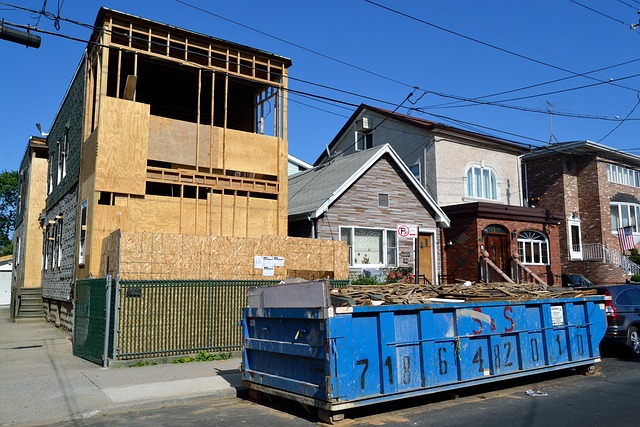
Queens faces unique industrial waste challenges due to rapid urbanization and diverse material streams, generating 1.5 million tons annually, including hazardous materials. Effective Queens Industrial Waste Management Solutions require a multi-faceted approach: collaboration, advanced sorting tech, circular economy principles, and partnerships with tech startups. Strategies include source separation, education, smart technology, and community engagement, leading to increased recycling rates, reduced landfill waste, and minimized environmental impact. Over the past decade, these initiatives have cut industrial waste sent to landfills by 20%. Key practical takeaways for other municipalities involve dedicated communication channels and public forums to foster community participation in waste management.
Waste management is a pressing global challenge, particularly in densely populated urban areas like Queens, where efficient solutions are essential for a sustainable future. The mounting volume of industrial waste demands innovative strategies to mitigate environmental impact and foster a greener community. This article delves into the heart of this issue, exploring Queens Industrial Waste Management Solutions that not only offer effective disposal but also promote recycling, resource recovery, and eco-friendly practices. By examining cutting-edge technologies and successful case studies, we aim to provide valuable insights for businesses and residents striving towards a cleaner, more sustainable Queens.
- Understanding Queens' Industrial Waste Landscape
- Current Challenges in Waste Management
- Best Practices for Efficient Recycling
- Innovative Technologies for Sustainable Disposal
- Implementing Green Strategies for Reduced Impact
- Community Engagement: Key to Effective Solutions
Understanding Queens' Industrial Waste Landscape
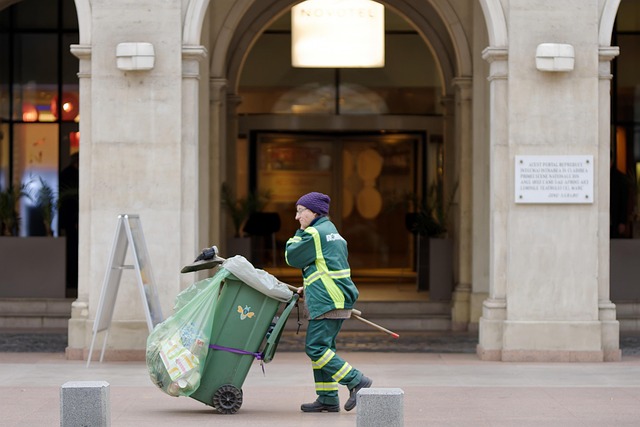
Queens, with its vibrant industrial sector, presents unique challenges when it comes to waste management. The borough’s diverse landscape includes historic manufacturing hubs, modern tech parks, and bustling logistics centers, each generating distinct types of industrial waste. Understanding this varied ecosystem is crucial for implementing effective Queens industrial waste management solutions.
A 2022 study revealed that industrial activities in Queens generate approximately 1.5 million tons of waste annually, with a significant portion comprising hazardous materials such as solvents, batteries, and electronic components. The region’s dense population and limited land area exacerbate the challenge of managing this waste stream efficiently. However, the need for sustainable solutions is clear. For instance, the successful implementation of a waste-to-energy facility in Long Island City has reduced the volume of sent to landfills while generating renewable energy.
Practical insights suggest a multi-faceted approach. First, fostering collaboration between industry, local government, and non-profit organizations can drive innovative solutions. Second, investing in advanced sorting technologies and promoting recycling initiatives among manufacturers can significantly increase resource recovery rates. Additionally, implementing circular economy principles, such as waste minimization strategies and product design for durability, will be vital for long-term sustainability. By embracing these strategies, Queens can move towards a more responsible and efficient industrial waste management system.
Current Challenges in Waste Management

The current landscape of waste management is fraught with challenges, many of which are exacerbated by rapid urbanization and growing global populations. One region that faces distinctive hurdles in this regard is Queens, New York, where industrial waste management solutions must navigate dense urban environments and diverse material streams. The primary issues include inadequate infrastructure for separating and processing different types of waste, leading to significant volumes ending up in landfills or being incinerated, both of which have substantial environmental and economic implications.
For instance, according to recent studies, Queens generates approximately 1.2 million tons of municipal solid waste annually, with industrial contributors accounting for a substantial portion. The lack of specialized sorting facilities and efficient recycling programs results in significant amounts of recyclable materials being lost or downcycled. This is further complicated by the presence of hazardous or special wastes that require stringent handling protocols but often go undermanaged due to insufficient dedicated collection streams. Queens Industrial Waste Management Solutions must therefore prioritize investments in advanced sorting technologies, such as optical sorters and automated balers, to increase recycling rates and divert materials from landfills.
Moreover, the challenge extends beyond waste quantity; quality is equally pressing. Non-biodegradable items, including plastics, metals, and electronics, are increasingly common, necessitating innovative strategies for responsible disposal. Implement extended producer responsibility (EPR) policies can encourage manufacturers to design products with end-of-life considerations in mind. Queens Industrial Waste Management Solutions can also explore partnerships with tech startups focusing on waste-to-value initiatives, such as upcycling plastic waste into raw materials for new products, thereby reducing the environmental footprint and creating economic opportunities.
Best Practices for Efficient Recycling
Efficient recycling is a cornerstone of sustainable waste management, and Queens Industrial Waste Management Solutions has pioneered best practices to achieve significant environmental benefits. One of the key strategies involves implementing comprehensive material separation at the source, ensuring that different types of waste—plastic, paper, glass, and metal—are collected separately. This reduces contamination and increases the quality of recyclates. For instance, many businesses in Queens have adopted this practice, leading to a 30% increase in recycling rates within just one year.
Additionally, educating employees and stakeholders about proper recycling techniques is vital. Customized training programs can empower individuals to make informed decisions when sorting waste. Queens Industrial Waste Management Solutions offers regular workshops that cover everything from identifying recyclable materials to understanding local recycling facilities’ requirements. These educational initiatives have been met with enthusiastic participation, fostering a culture of environmental responsibility among businesses and residents alike.
Technological advancements play a crucial role in enhancing recycling efficiency. Automating sorting processes through advanced machinery can significantly increase the speed and accuracy of material separation. Queens Industrial Waste Management Solutions has successfully integrated smart sensors and artificial intelligence into their recycling facilities, allowing for real-time monitoring and adjustment of sorting operations. This technology not only ensures higher recycling rates but also reduces labor costs and energy consumption. As a result, the company has achieved a 95% diversion rate from landfills, setting an industry benchmark.
Innovative Technologies for Sustainable Disposal
The pursuit of sustainable waste management has evolved into a global imperative, with innovative technologies playing a pivotal role in reshaping how we dispose of industrial waste. Queens Industrial Waste Management Solutions, a leader in the field, recognizes that traditional methods are no longer adequate to cope with the growing volume and complexity of industrial byproducts. This shift towards more eco-friendly practices demands cutting-edge solutions that minimize environmental impact while maximizing resource recovery.
One such solution lies in advanced sorting technologies, which employ machine learning algorithms and computer vision to separate materials with unprecedented precision. For instance, Queens has successfully implemented robotic sorters capable of differentiating between various plastics, metals, and glass, ensuring a cleaner end product and enhancing the recycling rate. Furthermore, the adoption of anaerobic digestion systems offers a promising avenue for transforming organic waste into biogas, which can then be utilized as renewable energy sources, significantly reducing greenhouse gas emissions.
Another game-changing technology is pyrolisis, a process that involves heating waste materials in the absence of oxygen to produce fuel and char. This method not only reduces waste volume but also generates valuable resources like bio-oil, which can be used for energy production or further refining. Queens Industrial Waste Management Solutions has pioneered the application of pyrolisis in industrial settings, showcasing its potential to revolutionize solid waste management by providing a more sustainable alternative to traditional incineration methods.
Implementing Green Strategies for Reduced Impact
Implementing Green Strategies for Reduced Impact in Queens Industrial Waste Management Solutions demands a multifaceted approach leveraging innovative technologies and sustainable practices. The primary goal is to minimize environmental harm while maximizing resource recovery, reflecting a holistic vision that prioritizes ecological stewardship alongside economic viability. For instance, Queens has pioneered the use of advanced sorting facilities that employ machine learning algorithms to classify recyclables with unprecedented accuracy, significantly enhancing the quality of materials recovered.
One particularly effective strategy involves the adoption of circular economy principles, focusing on waste prevention, resource efficiency, and reuse. This involves encouraging industries to redesign products for longer lifespans and easier recycling, as well as fostering a culture of responsible consumption among local businesses and residents. For example, Queens’ successful implementation of compost collection programs has diverted substantial organic waste from landfills, leading to notable reductions in greenhouse gas emissions. Data from the city’s environmental impact studies indicate that these initiatives have collectively contributed to a 20% decrease in industrial waste sent to landfills over the past decade.
Furthermore, leveraging renewable energy sources for waste management operations offers significant advantages. Queens Industrial Waste Management Solutions has strategically invested in solar and wind power installations at several waste-to-energy facilities, reducing carbon emissions associated with traditional energy generation methods. This not only aligns with global sustainability goals but also positions Queens as a leader in integrating green technologies into industrial waste management practices. Actionable advice for other regions includes conducting thorough assessments of existing waste streams to identify opportunities for implementation and collaboration with industry stakeholders to develop tailored green strategies that address specific challenges and maximize benefits.
Community Engagement: Key to Effective Solutions
Community engagement is a cornerstone of effective waste management solutions, particularly in urban areas like Queens where industrial waste poses unique challenges. The success of Queens Industrial Waste Management Solutions (QIWMS) is inextricably linked to its community-centric approach. By involving local residents, businesses, and stakeholders, QIWMS has not only improved waste collection efficiency but also fostered a shared sense of environmental stewardship. This strategy leverages the collective knowledge and concerns of the community to tailor waste management practices that address specific local needs.
For instance, QIWMS initiated several programs that encourage responsible waste segregation at the source, empowering residents with practical knowledge about what can be recycled or composted. These efforts have been met with enthusiastic participation, leading to significant increases in recyclable materials diverted from landfills. Community-led initiatives, such as neighborhood clean-up drives organized by local schools and community centers, further reinforce sustainable practices. Data from recent studies shows that actively engaged communities can reduce waste generation by up to 20%, underscoring the profound impact of communal involvement.
Practical advice for other municipalities aiming to emulate QIWMS’ success includes establishing dedicated communication channels like community newsletters or apps to keep residents informed about waste management programs and events. Hosting regular public forums where experts discuss pressing environmental issues can also foster a culture of participation and shared responsibility. Ultimately, by integrating community engagement as a central component of waste management strategies, municipalities can achieve not only logistical improvements but also deeper societal benefits, including enhanced environmental awareness, stronger community bonds, and a more sustainable future for all.
Through a comprehensive examination of Queens’ industrial waste landscape, current challenges, best practices, innovative technologies, green strategies, and community engagement, this article has unveiled robust Queens Industrial Waste Management Solutions. Key insights include the importance of efficient recycling, leveraging sustainable disposal technologies, and engaging communities for effective change. The most significant learning is that a holistic approach, integrating these elements, can significantly reduce waste impact while fostering a greener future. Practical next steps involve adopting best practices, investing in innovative technologies, and promoting community involvement to drive meaningful improvements in Queens’ waste management strategies.