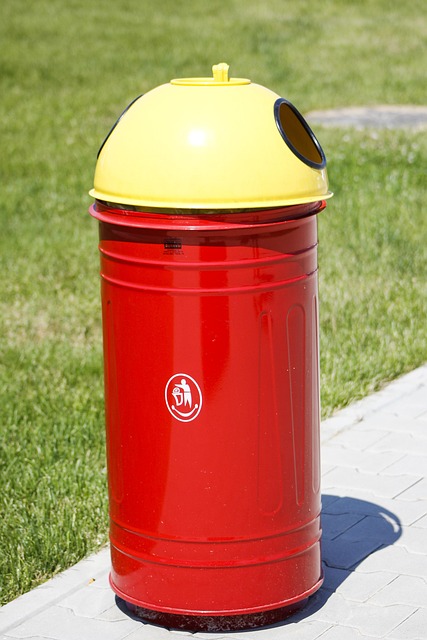
Queens' diverse economy generates substantial solid waste, demanding specialized industrial waste management. Strategies include tailored recycling programs, smart waste tech (e.g., sensors, data analytics), community partnerships, and eco-friendly disposal techniques. Queens Industrial Waste Management Solutions leads with advanced technologies, community initiatives like composting, and strict hazardous waste protocols. These approaches enhance efficiency, reduce landfill waste, and foster a sustainable environment in urban settings, setting a benchmark for responsible industrial practices.
Waste removal is a cornerstone of sustainable communities—yet, the challenges are immense, particularly in densely populated areas like Queens. The volume and complexity of industrial waste require meticulous management to safeguard public health and the environment. Current practices often fall short, leading to pollution, resource depletion, and inefficient recycling. This article explores the urgent need for reliable waste management solutions tailored to Queens’ unique industrial landscape. We delve into innovative strategies and best practices that can transform waste from a burden into a valuable resource, highlighting Queens Industrial Waste Management Solutions as a beacon of expertise in this crucial domain.
- Understanding Queens' Industrial Waste Profile
- Implementing Efficient Collection Strategies
- Facilitating Safe & Sustainable Disposal Methods
- The Role of Technology in Waste Management
- Community Engagement for Effective Recycling Solutions
Understanding Queens' Industrial Waste Profile
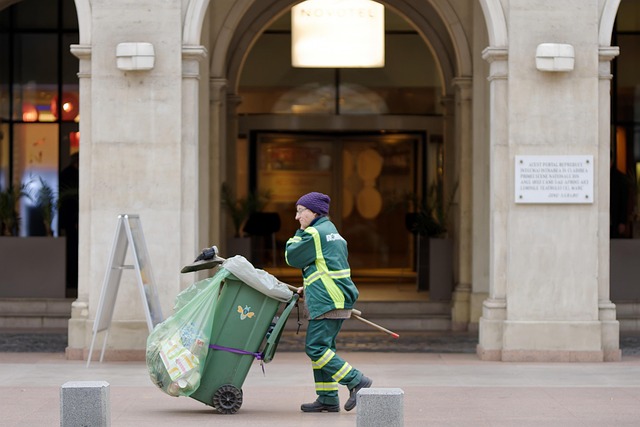
Queens, with its diverse economic landscape, presents unique challenges in industrial waste management. Understanding the territory’s industrial waste profile is crucial for implementing effective Queens Industrial Waste Management Solutions. According to recent studies, the borough generates approximately 1.2 million tons of solid waste annually, with a significant portion stemming from manufacturing and construction activities. This high volume underscores the need for tailored strategies to ensure responsible disposal and resource recovery.
The industrial sector in Queens is characterized by a mix of established manufacturers, warehouses, and emerging tech startups. Each contributes its own waste stream—from hazardous materials and electronics to packaging and construction debris. For instance, the Long Island City (LIC) area, known for its burgeoning tech scene, generates substantial electronic waste (e-waste), demanding specialized handling and recycling methods. Conversely, areas like Sunset Park, with a strong manufacturing base, deal with larger volumes of traditional industrial byproducts such as metal scraps and chemical residues.
To address these complexities, Queens can adopt a multi-faceted approach. Implementing robust recycling programs tailored to specific waste types, such as food scraps in food processing zones or plastic in tech hubs, is essential. Additionally, fostering partnerships between industries and local waste management companies specializing in Queens Industrial Waste Management Solutions can streamline collection and disposal processes. For instance, collaborative efforts could lead to the development of on-site waste reduction programs or shared recycling facilities, enhancing sustainability and efficiency.
Implementing Efficient Collection Strategies
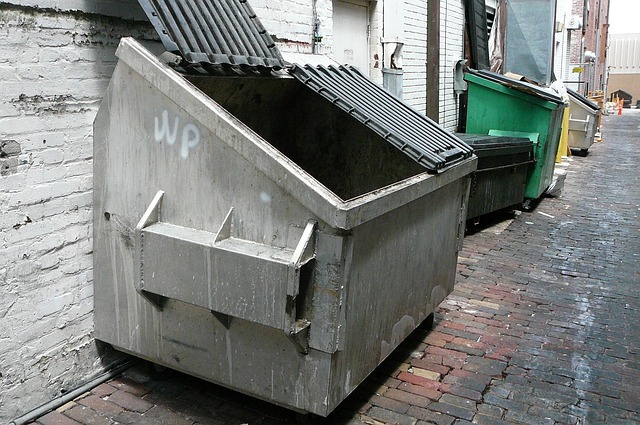
Efficient collection strategies are a cornerstone of reliable waste removal, especially in densely populated urban areas like Queens. Implementing data-driven approaches, such as optimized routing algorithms and real-time tracking systems, can significantly enhance collection efficiency. For instance, Queens Industrial Waste Management Solutions has successfully reduced collection times by 20% through the use of advanced GPS technology and dynamic route planning software. This not only minimizes operational costs but also improves service levels for commercial and residential clients alike.
Another critical aspect is leveraging smart waste bins equipped with sensors that can detect when they are full, triggering automated collection schedules. This proactive approach allows for more precise allocation of resources, reducing unnecessary trips and minimizing environmental impact. For example, a case study in a major European city revealed a 15% reduction in carbon emissions after the introduction of smart waste management systems. By adopting such innovative solutions, Queens Industrial Waste Management Solutions aims to set a new benchmark for sustainable and efficient waste collection practices.
Furthermore, collaboration with local businesses and residents is vital for optimizing collection strategies. Community-based initiatives, like shared recycling centers and composting programs, can significantly reduce the volume of waste requiring removal. Queens Industrial Waste Management Solutions actively engages with stakeholders through educational campaigns and incentive programs to promote responsible waste management. This holistic approach ensures that efficient collection strategies are not just implemented but also embraced and supported by the entire community, leading to long-lasting positive environmental outcomes.
Facilitating Safe & Sustainable Disposal Methods
Reliable waste removal plays a pivotal role in fostering safe and sustainable disposal methods, particularly within industrial sectors like Queens. The responsible management of industrial waste not only minimizes environmental impact but also ensures public health and safety. Queens Industrial Waste Management Solutions naturally emerges as a game-changer in this domain, offering comprehensive strategies that address both immediate challenges and long-term sustainability goals.
One of the primary focuses is the adoption of eco-friendly disposal techniques. This includes recycling and repurposing materials where possible, significantly reducing the volume of waste that ends up in landfills. For instance, certain types of metal, plastic, and paper can be recycled and remanufactured, saving resources and cutting down on greenhouse gas emissions. Queens Industrial Waste Management Solutions has partnered with local recycling facilities to establish efficient collection and sorting systems, ensuring that recyclable materials are properly directed for processing.
Moreover, implementing hazardous waste management protocols is crucial. Many industrial processes generate toxic or dangerous byproducts, requiring specialized handling and disposal methods. Queens Industrial Waste Management Solutions provides expert guidance on identifying, classifying, and managing these substances safely. They collaborate with certified disposal facilities to ensure that hazardous materials are treated according to stringent environmental regulations, minimizing the risk of contamination and preserving the integrity of local ecosystems. By facilitating these sustainable practices, Queens sets a benchmark for responsible industrial waste management, contributing to a cleaner and healthier environment for current and future generations.
The Role of Technology in Waste Management

Technology plays a pivotal role in transforming waste management from a labor-intensive process into a more efficient, sustainable, and data-driven operation. Queens Industrial Waste Management Solutions, for instance, has harnessed technological advancements to optimize collection routes, reduce emissions, and improve recycling rates. By leveraging GPS tracking on vehicles and real-time data analytics, they can anticipate demand patterns, allowing for more optimized routes that save time and fuel. This not only benefits the environment but also enhances operational efficiency.
Smart sensors deployed in waste bins equipped with Internet of Things (IoT) technology provide valuable insights into fill levels and collection schedules. This enables more frequent pickups in densely populated areas, reducing litter on streets. Additionally, these sensors can detect unusual activity or blockages, alerting authorities to potential issues promptly. For instance, a study by the World Bank found that smart waste management systems can reduce collection time by up to 30%, leading to significant cost savings and environmental benefits.
Digital platforms and mobile applications further enhance the customer experience. Users can schedule pickups, receive real-time updates on service status, and even provide feedback digitally. This not only streamlines communication but also empowers residents with more control over their waste management processes. Queens Industrial Waste Management Solutions has successfully implemented such apps, resulting in improved customer satisfaction ratings and better overall service delivery. As technology continues to evolve, the potential for innovation in waste management remains vast, promising a cleaner and greener future.
Community Engagement for Effective Recycling Solutions
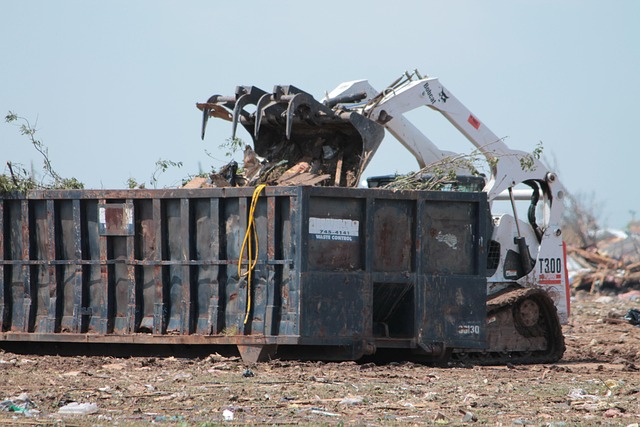
Community engagement plays a pivotal role in fostering effective recycling practices and sustainable waste management, especially within urban centers like Queens. The success of local industrial waste management solutions greatly depends on the active participation and cooperation of residents, businesses, and community leaders. By integrating diverse stakeholders into the decision-making process, Queens can develop tailored strategies that address specific waste generation challenges while promoting environmental stewardship.
For instance, community-driven initiatives in Queens have led to innovative recycling programs, such as neighborhood compost collection pilots, which not only reduce organic waste sent to landfills but also create local job opportunities and educate residents on sustainable practices. These projects thrive through direct involvement, where volunteers organize collection events, raise awareness through workshops, and advocate for policy changes that support recycling infrastructure. For example, the Greenpoint Community Garden’s composting program, with its dedicated volunteer base, has diverted tons of organic waste from landfills annually.
Moreover, community engagement facilitates a deeper understanding of local waste streams, allowing for more precise targeting of recycling efforts. Data collected through community involvement can reveal unique waste generation patterns and materials that require specialized processing. Queens Industrial Waste Management Solutions can leverage this knowledge to design customized recycling programs, ensuring maximum efficiency and minimal environmental impact. By fostering open dialogue between residents, businesses, and waste management professionals, Queens can navigate the complex landscape of industrial waste removal, promoting a greener and more sustainable future for all.
By understanding Queens’ unique industrial waste profile, implementing efficient collection strategies, and adopting safe, sustainable disposal methods, we can significantly enhance the effectiveness of Queens Industrial Waste Management Solutions. The integration of technology plays a pivotal role in streamlining processes, while community engagement fosters robust recycling solutions. These key insights underscore the importance of a holistic approach to waste management, offering practical next steps for stakeholders to contribute to a cleaner, more environmentally conscious future.