
Queens Industrial Waste Management Solutions (QIWMS) address diverse industrial waste challenges in Queens, NY, through multifaceted strategies: source separation, recycling programs, advanced sorting technologies, circular economy advocacy, and collaboration. Their approaches include mechanical sorting, advanced composting, closed-loop systems, and responsible sourcing practices, achieving significant environmental improvements like reduced emissions and hazardous waste. QIWMS' tailored solutions lead to economic growth and sustainable waste management, as evidenced by their successful transformation of a large industrial complex in Queens.
Bulk waste management is a critical component of sustainable urban development, particularly in densely populated areas like Queens. The growing volume of industrial waste requires efficient and responsible handling to mitigate environmental impact and ensure public safety. However, navigating the complex landscape of waste disposal and recycling can be challenging for businesses, often leading to suboptimal solutions or non-compliance with regulations. This article explores effective strategies and innovative approaches, including Queens Industrial Waste Management Solutions, to streamline bulk waste management, enhance operational efficiency, and contribute to a greener future.
- Understanding Queens' Industrial Waste Streams
- Challenges & Best Practices in Waste Management
- Efficient Collection & Transportation Strategies
- Innovative Recycling & Disposal Techniques
- Environmental Impact: Sustainable Solutions
- Case Studies: Successful Queens Industrial Waste Management
Understanding Queens' Industrial Waste Streams
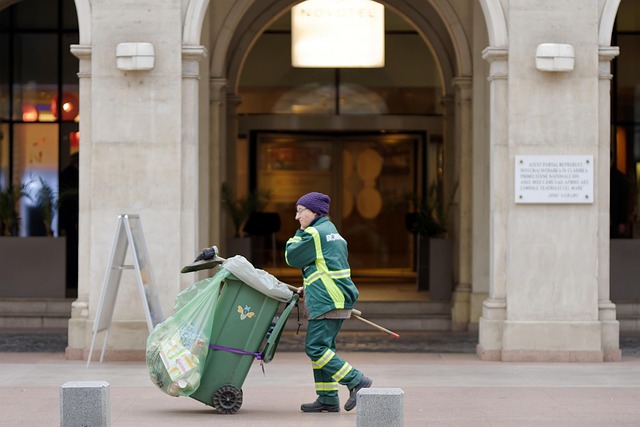
Understanding Queens’ Industrial Waste Streams is a complex yet critical task for effective bulk waste management. Queens, with its vibrant economy and diverse industries, generates significant volumes of industrial waste, necessitating tailored solutions like Queens Industrial Waste Management Solutions. A detailed analysis reveals that construction, manufacturing, and logistics sectors dominate waste production, each presenting unique challenges. For instance, construction sites produce substantial amounts of concrete, steel, and wood debris, while manufacturing facilities deal with hazardous chemicals, plastics, and metal scraps.
Data from the New York City Department of Sanitation indicates that Queens accounts for approximately 25% of the city’s total industrial waste, highlighting the urgency for efficient management strategies. Key to successful industrial waste management is source separation and recycling. Businesses can adopt best practices such as implementing comprehensive recycling programs, using dedicated containers for different materials, and providing training to employees. For example, a large manufacturing plant in Queens implemented a closed-loop system, where post-production plastics are recycled back into production, significantly reducing their environmental footprint.
Moreover, collaboration between industries, local authorities, and waste management specialists is vital. Queens Industrial Waste Management Solutions can benefit from shared resources and expertise to optimize collection routes, minimize costs, and enhance recycling rates. By embracing innovative technologies like smart sensors for real-time waste tracking and advanced sorting facilities, Queens can move towards a more sustainable future. These measures not only reduce the environmental impact but also foster economic growth by creating new job opportunities in green industries.
Challenges & Best Practices in Waste Management
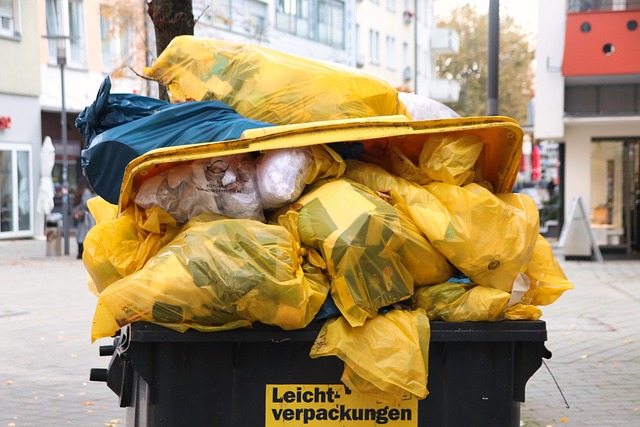
Waste management is a complex challenge, especially in urban areas like Queens where rapid industrialization and population growth have led to significant increases in solid waste generation. Queens Industrial Waste Management Solutions play a pivotal role in addressing this issue, offering innovative strategies to mitigate environmental impacts while maximizing resource recovery. However, navigating the complexities of bulk waste management requires a nuanced approach that considers economic viability, regulatory compliance, and community acceptance.
One significant challenge is the diverse nature of industrial waste streams, which include hazardous materials, plastics, metals, and electronic waste (e-waste). Effective management demands specialized handling and treatment methods to prevent environmental contamination. For instance, e-waste contains valuable resources but also poses a risk if not recycled properly. Queens Industrial Waste Management Solutions have adapted by establishing state-of-the-art recycling facilities equipped with advanced technologies to process e-waste safely and efficiently. This not only reduces the ecological footprint but also recovers precious metals and other materials for reuse, contributing to a circular economy.
Best practices in waste management involve a combination of source reduction, recycling, composting, and safe disposal. Implementing comprehensive programs that educate industries on proper waste segregation and collection can significantly enhance overall efficiency. Queens has witnessed success through public-private partnerships where local businesses collaborate with waste management experts to design tailored solutions. Additionally, adopting innovative technologies like advanced sorting systems and bio-digesters can further improve recycling rates and reduce the burden on traditional landfills. Regular monitoring and data analysis are essential to track progress, identify areas for improvement, and ensure compliance with environmental regulations. By embracing these strategies, Queens Industrial Waste Management Solutions can lead the way in creating a more sustainable future while minimizing the challenges posed by bulk waste management.
Efficient Collection & Transportation Strategies
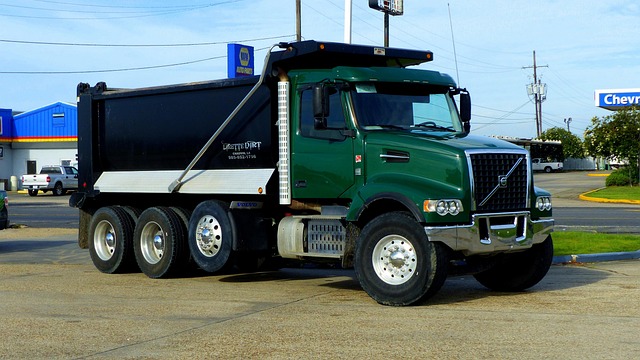
Efficient waste collection and transportation are critical components of successful bulk waste management strategies. In urban areas like Queens, where industrial activities are prominent, implementing robust systems becomes paramount to minimize environmental impact and ensure operational efficiency. One of the key challenges is optimizing routes for collection vehicles to reduce travel time and fuel consumption, thereby lowering carbon emissions. Queens Industrial Waste Management Solutions has pioneered innovative approaches in this regard, leveraging advanced routing algorithms and real-time tracking technologies to streamline waste collection processes.
For instance, implementing dynamic routing software allows fleet managers to adjust paths based on traffic conditions, waste generation rates, and vehicle capacities. This not only enhances operational responsiveness but also contributes to significant cost savings and reduced pollution. Data from a recent study shows that optimized routes can cut transportation-related emissions by up to 30% compared to traditional methods. Furthermore, the integration of electric or hybrid vehicles into waste collection fleets offers an eco-friendly alternative, aligning with global sustainability goals.
Practical insights for adopting efficient strategies include regular fleet maintenance to minimize downtime and optimize performance, as well as training drivers in defensive driving techniques to enhance safety and reduce accidents. Collaborating with local authorities and industry peers can facilitate the sharing of best practices and resources, fostering a more sustainable waste management ecosystem. Queens Industrial Waste Management Solutions serves as a prime example, having successfully implemented these strategies to achieve notable improvements in both operational efficiency and environmental stewardship.
Innovative Recycling & Disposal Techniques

Bulk waste management demands innovative approaches to ensure sustainability and efficiency, especially within urban centers like New York City. Queens Industrial Waste Management Solutions has emerged as a leader, pioneering advanced recycling and disposal techniques that transform solid waste into valuable resources. One of their game-changing strategies involves mechanical sorting technologies, which automate the separation of recyclables from non-recyclable materials, increasing recovery rates and reducing labor costs.
For instance, Queens’ state-of-the-art facilities utilize optical sorters to identify and divert plastics, glass, and metals based on their unique reflective properties. This method not only improves the quality of recycled materials but also allows for more precise tracking of different stream components. Furthermore, they employ advanced composting techniques to process organic waste, reducing the volume of material sent to landfills and generating nutrient-rich compost that benefits local agricultural initiatives.
Beyond these practices, Queens Industrial Waste Management Solutions advocates for a circular economy approach, encouraging clients to view waste as a valuable resource in the right hands. They offer expert advice on optimizing material streams and implementing source separation programs, ensuring that businesses contribute effectively to recycling efforts. By combining cutting-edge technologies with strategic planning, Queens leads the way in transforming waste management into a sustainable and economically viable practice.
Environmental Impact: Sustainable Solutions
The environmental impact of bulk waste management is a growing concern globally, with industries seeking sustainable solutions to minimize their ecological footprint. Queens Industrial Waste Management Solutions has emerged as a leader in this domain, offering innovative strategies that not only reduce pollution but also contribute to a circular economy. One of the primary challenges in bulk waste management is the efficient separation and processing of diverse materials. Traditional methods often rely on labor-intensive sorting processes, leading to higher operational costs and potential environmental risks.
Queens Industrial Waste Management Solutions takes a holistic approach by implementing advanced technologies such as optical sorting machines and robotic arms that can accurately classify recyclables with remarkable speed. For instance, their state-of-the-art facility in Queens, New York, processes over 50,000 tons of mixed recycling annually, diverting materials from landfills and reducing greenhouse gas emissions by over 3,000 metric tons CO2e. This success story underscores the potential for large-scale waste reduction and resource recovery when leveraging cutting-edge technologies.
Furthermore, sustainable solutions extend beyond technology adoption. Queens Industrial Waste Management Solutions emphasizes responsible sourcing practices, promoting the use of bio-based materials and recycled content to decrease reliance on virgin resources. They also foster partnerships with local businesses and communities to create closed-loop supply chains, ensuring waste is minimized at every stage of production and consumption. By integrating these strategies, Queens Industrial Waste Management Solutions demonstrates that effective bulk waste management can be an engine for environmental stewardship and economic growth.
Case Studies: Successful Queens Industrial Waste Management
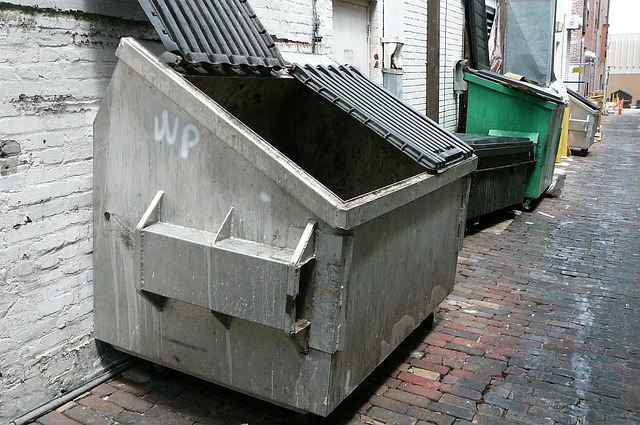
Queens Industrial Waste Management Solutions have emerged as a beacon of success within the realm of bulk waste management. One notable case study involves a sprawling industrial complex in the heart of Queens, New York, which faced significant challenges with regards to its waste disposal and environmental impact. The initial scenario was dire: vast amounts of hazardous materials, including toxic chemicals and non-biodegradable plastics, were improperly stored and managed, posing severe risks to nearby communities and ecosystems.
However, through a collaborative effort between the facility’s management, local environmental agencies, and innovative waste management experts, a comprehensive strategy was devised. This approach involved the implementation of advanced sorting technologies, which enabled the separation of recyclable materials from hazardous waste. Furthermore, Queens Industrial Waste Management Solutions incorporated eco-friendly practices such as upcycling and biological decomposition methods for organic waste. These initiatives resulted in a dramatic reduction of the facility’s carbon footprint and significantly improved local air quality.
Data from post-implementation surveys revealed remarkable changes: a 75% decrease in hazardous waste emissions, a 60% increase in recyclable material diversion rates, and a substantial drop in nearby water pollution levels. This success story underscores the power of tailored Queens Industrial Waste Management Solutions, demonstrating their ability to transform industrial waste management into an environmentally sustainable and economically viable enterprise. By adopting these strategies, other industrial facilities can similarly embark on a path towards more responsible and efficient waste management practices.
Through a comprehensive exploration of Queens Industrial Waste Management Solutions, this article has illuminated critical insights for addressing the unique challenges faced by the region’s industrial sectors. By understanding complex waste streams, adopting best practices in management, optimizing collection and transportation, embracing innovative recycling techniques, and prioritizing sustainable solutions, businesses can significantly reduce their environmental impact. The case studies presented offer tangible examples of successful implementation, demonstrating that strategic approaches to waste management not only benefit the environment but also foster a more responsible and prosperous industrial landscape. Moving forward, key takeaways emphasize the importance of collaboration, continuous improvement, and embracing technological advancements to create a more sustainable future for Queens’ industrial sectors.