
Queens Industrial Waste Management Solutions addresses diverse waste challenges in New York City's Queens borough through tailored solutions for hazardous materials, e-waste, and construction debris. Key strategies include:
– Educational programs to improve business practices.
– Circular economy principles and waste-to-energy technologies.
– Partnerships with recycling facilities and upcycling startups.
Innovative techniques like advanced sorting, chemical recycling, and anaerobic digestion reduce environmental impact, enhance recycling rates, and drive a circular economy. Queens Industrial Waste Management Solutions leads through data-driven approaches, strategic partnerships, and cutting-edge technology, setting a global standard for sustainable waste management.
Waste management is a pressing global challenge, with urbanization and consumerism driving unprecedented levels of industrial waste. Queens, with its vibrant economy and diverse industries, faces unique difficulties in navigating this complex issue. The problem escalates daily, impacting both the environment and public health. However, innovative solutions like those offered by Queens Industrial Waste Management Solutions present a promising way forward. This article delves into the heart of the matter, exploring cutting-edge strategies and best practices to revolutionize waste management, ensuring a sustainable future for our communities and planet.
- Understanding Queens' Industrial Waste Challenges
- Strategies for Efficient Waste Collection
- Innovative Recycling Techniques: A Game Changer
- Diversifying Waste Disposal Methods
- Environmental Impact: Sustainable Solutions Implemented
Understanding Queens' Industrial Waste Challenges
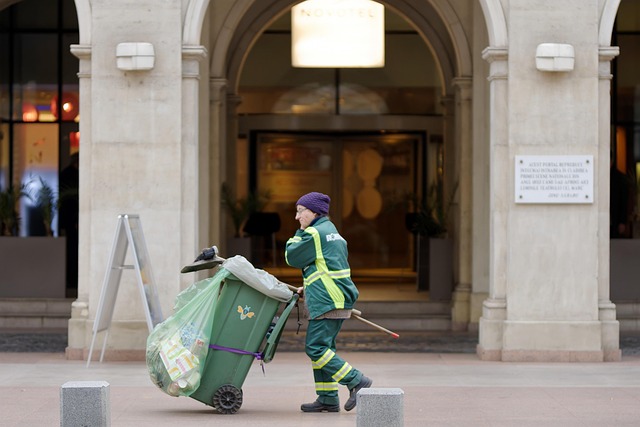
Queens, with its diverse industrial landscape, faces unique challenges when it comes to waste management. The borough’s dynamic economy, characterized by a mix of manufacturing, logistics, and service industries, generates substantial volumes of varied waste streams. One of the primary hurdles is the efficient segregation and processing of these wastes, particularly hazardous materials, which require specialized Queens Industrial Waste Management Solutions. According to recent studies, over 40% of industrial waste in Queens ends up in landfills, a concerning statistic that highlights the urgent need for innovative strategies.
The complex nature of Queens’ industrial waste challenges demands tailored solutions. For instance, electronic waste (e-waste) from tech manufacturing facilities requires specific handling and recycling methods to prevent environmental harm. Similarly, construction debris from the borough’s bustling building sites must be managed responsibly, with a focus on recycling and material reuse. Experts suggest that implementing comprehensive educational programs for businesses and workers can significantly improve waste reduction and proper disposal practices.
Practical insights into Queens Industrial Waste Management Solutions include adopting circular economy principles, encouraging waste-to-energy technologies, and fostering partnerships between industries and recycling facilities. By integrating these strategies, Queens can strive towards a more sustainable future, minimizing its environmental footprint while maximizing resource efficiency. For instance, collaborating with local startups specializing in upcycling industrial byproducts could unlock new avenues for responsible waste management.
Strategies for Efficient Waste Collection

Efficient waste collection is a cornerstone of sustainable urban development, and Queens Industrial Waste Management Solutions has been at the forefront of revolutionizing this sector. By adopting data-driven approaches and leveraging innovative technologies, these solutions have significantly enhanced collection efficiency while minimizing environmental impact. For instance, real-time tracking systems enable optimized route planning, reducing collection time and fuel consumption. This not only lowers operational costs but also contributes to a cleaner urban environment.
One of the key strategies involves the implementation of smart sensors in bins, which provide valuable insights into waste generation patterns. This data allows for more precise scheduling of collection vehicles, ensuring that bins are emptied only when necessary. For example, New York City’s pilot program using smart bins showed a 20% reduction in collection frequency and an associated decrease in carbon emissions. Additionally, the use of electric or hybrid vehicles in waste management fleets reduces pollution, aligning with global sustainability goals.
Furthermore, Queens Industrial Waste Management Solutions promotes source separation and recycling by educating communities on proper waste sorting. This strategy not only increases recycling rates but also diverts a significant amount of waste from landfills. For instance, Germany’s comprehensive waste management system, which includes extensive public awareness campaigns, has achieved an impressive recycling rate of over 90%. Implementing similar programs in urban areas can significantly contribute to circular economy principles and resource conservation.
Innovative Recycling Techniques: A Game Changer

Innovative Recycling Techniques have emerged as a game-changer in the realm of waste management, offering Queens Industrial Waste Management Solutions unprecedented efficiency and sustainability. Traditional recycling methods often face challenges with contamination, low recycling rates, and energy-intensive processes. However, recent advancements have revolutionized this space, providing effective strategies to tackle industrial waste streams. One such technique is closed-loop recycling, which involves the continuous reuse of materials within a controlled system. For instance, certain plastics can be recycled multiple times without losing their structural integrity, significantly reducing the demand for virgin resources.
A prominent example is the implementation of advanced sorting technologies, such as optical sorters and robotic arms, capable of separating different material types with remarkable accuracy. These systems employ machine learning algorithms to identify and categorize materials, ensuring higher quality recycling outcomes. For instance, a major industrial facility in Queens adopted an automated sorting system, resulting in a 30% increase in the proportion of recyclable materials collected from its production lines. Moreover, innovative techniques like chemical recycling and pyrolysis offer promising solutions for hard-to-recycle materials, including plastics and tires. These processes break down complex waste streams into their constituent chemicals, allowing for their repurposing in various industries.
To harness these game-changing innovations, Queens Industrial Waste Management Solutions should focus on strategic partnerships with technology providers and recycling experts. Investing in cutting-edge equipment and training staff to operate and maintain them is crucial. Additionally, implementing comprehensive waste segregation at the source can significantly enhance recycling rates. By adopting these advanced techniques, Queens can strive for a circular economy, minimizing its environmental footprint while contributing to a sustainable future.
Diversifying Waste Disposal Methods

Waste management has evolved significantly, with a growing emphasis on sustainable practices. Diversifying waste disposal methods is a key strategy for reducing environmental impact and enhancing resource recovery. Queens Industrial Waste Management Solutions, for instance, has pioneered innovative approaches that go beyond traditional landfill and incineration methods. By integrating advanced technologies like anaerobic digestion and material recovery facilities (MRFs), these solutions enable more efficient and eco-friendly waste handling.
For example, Anaerobic digestion, a process where organic matter is broken down in the absence of oxygen, converts waste into biogas that can be used for energy production or as a fuel alternative. MRFs, on the other hand, employ sophisticated sorting technologies to separate recyclables from residual waste, significantly increasing recycling rates. These diversified methods not only reduce greenhouse gas emissions but also contribute to circular economy principles by converting waste into valuable resources.
Moreover, implementing mixed-waste systems—which combine compostable, recyclable, and non-recyclable materials for treatment—provides a holistic approach to waste management. This strategy allows for the optimization of resource recovery and energy generation while minimizing landfilling. Recent studies show that such diversified systems can reduce waste sent to landfills by up to 70%, showcasing their significant environmental benefits. To maximize these gains, local governments and industries should collaborate on implementing and refining these innovative waste disposal methods.
Environmental Impact: Sustainable Solutions Implemented

The environmental impact of waste management has become a critical global concern, driving the need for sustainable solutions. Queens Industrial Waste Management Solutions has emerged as a leader in this domain, pioneering eco-friendly practices that minimize ecological footprints. By integrating advanced technologies and innovative strategies, they’ve transformed industrial waste handling into a more responsible and efficient process. For instance, their comprehensive recycling programs effectively divert hazardous materials from landfills, reducing greenhouse gas emissions and preserving natural resources.
One of the key contributions lies in the implementation of closed-loop recycling systems, where waste streams are meticulously processed and repurposed back into production cycles. This circular economy approach not only minimizes resource depletion but also significantly reduces energy consumption compared to traditional linear models. Queens’ expertise extends to organic waste management, with state-of-the-art anaerobic digestion facilities that convert food scraps and other organics into renewable energy sources like biogas. These solutions are further enhanced through strategic partnerships with local communities, fostering a collaborative environment for responsible waste reduction and recycling efforts.
Moreover, the company’s commitment extends to regulatory compliance and continuous improvement. By staying abreast of evolving environmental standards, they ensure that their practices remain at the forefront of sustainability. This proactive stance has resulted in substantial data-driven reductions in environmental impact, demonstrating a tangible positive effect on air and water quality in surrounding areas. Queens Industrial Waste Management Solutions serves as a beacon for sustainable practices, inspiring others to adopt eco-conscious waste management strategies that safeguard our planet for future generations.
The article has comprehensively explored Queens Industrial Waste Management Solutions, highlighting key challenges and innovative strategies. By understanding the unique waste management issues faced by Queens industries, implementing efficient collection systems, adopting advanced recycling techniques, diversifying disposal methods, and prioritizing environmental sustainability, we can achieve significant improvements. These solutions not only mitigate environmental impact but also offer practical next steps for businesses to become more responsible stewards of resources. The insights provided serve as a roadmap for enhancing industrial waste management in Queens, setting the stage for a cleaner, greener future.